Gum Disease Early Sign You Should Not Ignore
Introduction
Gum disease is one of the most overlooked dental conditions, often progressing silently until it begins to affect teeth stability and overall oral health. What starts as mild inflammation can gradually lead to irreversible damage if not addressed early.
Understanding the early signs is essential—not just to prevent discomfort, but to preserve natural teeth and avoid complex treatments later.
What is Gum Disease?
Gum disease, clinically known as periodontal disease, is an inflammatory condition affecting the tissues surrounding the teeth. It typically develops due to plaque accumulation and poor oral hygiene, but may also be influenced by lifestyle and systemic health factors.
Early Signs You Should Not Ignore
1. Bleeding Gums
One of the earliest and most common indicators.
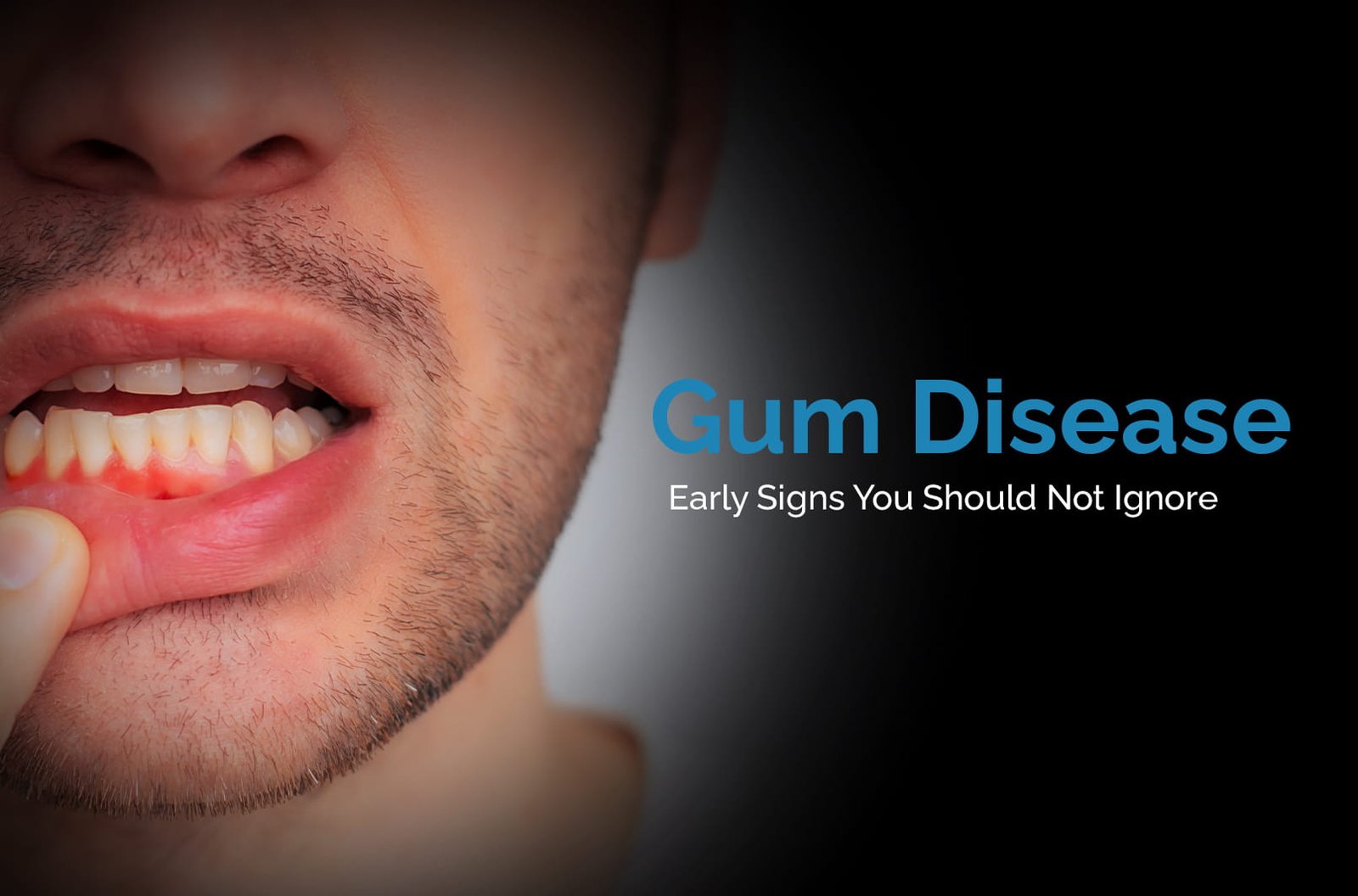
If your gums bleed while brushing or flossing, it is not “normal” — it is a sign of inflammation.
2. Redness or Swelling
Healthy gums are firm and pale pink.
Swollen, tender, or darkened gums indicate underlying irritation.
3. Persistent Bad Breath
Chronic bad breath may be linked to bacterial buildup beneath the gum line.
4. Gum Recession
Teeth appearing longer than before is often due to gum tissue pulling away, exposing sensitive root surfaces.
5. Sensitivity While Eating
Discomfort while consuming hot, cold, or sweet foods may indicate gum involvement.
Why Early Detection Matters
Gum disease progresses in stages:
- Gingivitis (reversible)
- Periodontitis (progressive damage)
- Advanced Periodontal Disease (tooth mobility or loss)
At early stages, treatment is non-invasive and predictable.
Once advanced, it may require surgical or regenerative procedures.
Common Causes
- Poor oral hygiene
- Smoking or tobacco use
- Diabetes and systemic health conditions
- Hormonal changes
- Stress and compromised immunity
Impact Beyond Oral Health
Gum disease is not limited to the mouth. Research indicates associations with:
- Cardiovascular conditions
- Diabetes complications
- Systemic inflammation
This makes early management not just a dental priority, but a health one.
How It is Diagnosed
A structured dental evaluation typically includes:
- Clinical gum examination
- Measurement of gum pockets
- Digital imaging where required
- Assessment of bone levels
A comprehensive diagnosis ensures that treatment is not just reactive, but planned.
Treatment Approach
Depending on severity:
- Professional cleaning and plaque removal
- Deep cleaning (scaling and root planing)
- Regenerative procedures in advanced cases
- Maintenance protocols for long-term stability
Prevention: The Most Effective Strategy
- Consistent brushing and flossing
- Regular dental check-ups
- Professional cleaning at advised intervals
- Early consultation at the first sign of symptoms
Conclusion
Gum disease rarely causes pain in its early stages, which is why it often goes unnoticed. However, ignoring early signs can lead to long-term complications.
A structured and timely approach ensures that natural teeth and supporting tissues are preserved—reducing the need for complex interventions later.
At Radiance, gum care is approached with precision, early diagnosis, and long-term biological stability in mind.